
It’s more than losing a paycheck.
Hi.
I’m Eli.
And this is The Exploited Worker 138.
When people talk about unemployment, the conversation almost always begins with money.
The paycheck.
The rent.
The bills.
The groceries.
Those things matter. They matter a lot.
I’ve lived through periods where work ended, savings disappeared, debt increased, and I didn’t know what came next. I’ve also experienced homelessness after losing income, so I understand how quickly financial security can disappear.
But unemployment affects far more than your bank account.
It changes the way you think.
It changes the way you see yourself.
And I don’t think we talk about that nearly enough.


Losing a routine
When you’re employed, your days have structure. You know where you need to be. You know what you’re responsible for. You have deadlines, coworkers, and routines that shape your week.
Then one day it’s gone. At first, unemployment can almost feel like a break. You finally have time to catch your breath.
Maybe you catch up on projects around the house or spend time with family.
But after a while, something changes.
The days begin blending together. Every morning starts to look the same.
You send applications. Refresh job boards.
Check your email. Update your résumé.
Then wait. And wait again. Eventually, that silence becomes its own kind of burden.
When effort produces no results
One of the biggest misconceptions about unemployment is that people aren’t trying.
In reality, most unemployed workers spend countless hours searching for opportunities.
They tailor résumés.
Write cover letters.
Prepare for interviews.
Research companies.
Apply again and again.
When weeks or months pass without meaningful progress, it becomes emotionally exhausting.
Not because people don’t want to work.
But because sustained effort without results wears anyone down.

questions begin
Over time, unemployment can make you question yourself.
You begin asking questions that never crossed your mind before.
- Am I still valuable?
- Do my skills still matter?
- Has the job market changed without me?
- What am I doing wrong?
Those questions become especially difficult after spending years building experience.
I’ve worked in warehouses, call centers, returns departments, IT, tax preparation, and automotive work.
Like many people, I’ve spent decades trying to build a stable life through work.
When work disappears, it feels like part of your identity disappears with it.
A changing economy
Today’s workforce is changing faster than many people expected.
Technology continues to reshape industries.
Artificial intelligence is automating more tasks.
Companies reorganize, restructure, and reduce staffing to meet changing business goals.
Workers are constantly told to adapt.
Learn new skills.
Switch careers.
Reinvent themselves.
Those ideas sound reasonable on paper.
Living through them is much harder.
Especially when you’re already worried about paying your bills.
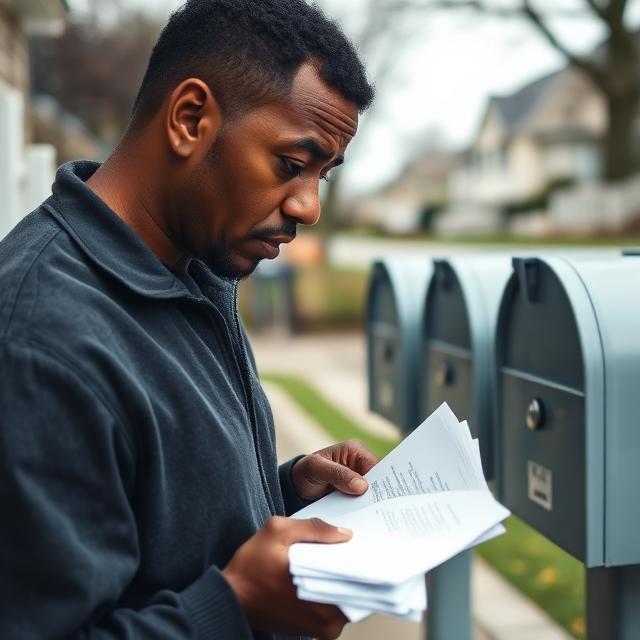
The invisible weight
Most people see the financial side of unemployment.
They see the missing paycheck.
What they don’t always see is everything happening beneath the surface.
The uncertainty.
The embarrassment.
The frustration.
The fear of falling behind.
Sometimes it feels like everyone else is moving forward while your life has been placed on pause.
That emotional burden can be just as difficult as the financial one.
You are more than your employment status
If you’re experiencing unemployment right now, I hope you remember something.
Your struggle does not mean you’re lazy.
It does not mean you’re worthless.
It does not mean you’ve failed.
Sometimes it simply means you’re living through one of the hardest chapters of your life.
Unfortunately, more people are experiencing that reality than many of us realize.
That’s why these conversations matter.
Not because they solve every problem.
But because they remind us that we don’t have to carry those burdens alone.

Why I started The Exploited Worker 138
This is one of the reasons I created this website and YouTube channel.
Not because I have all the answers.
I don’t.
I’m still trying to figure things out myself.
I created this space because I know I’m not the only person asking these questions.
I know there are people wondering whether they’ll ever find stable work again.
People trying to rebuild after setbacks.
People questioning where they fit in a changing economy.
Those conversations deserve a place to happen honestly.
Join the conversation
Have you experienced unemployment?
What was the hardest part for you?
Was it the financial impact, the emotional toll, or both?
Everything in this article reflects my own experiences, observations, and opinions. They’re not the only perspective, and I don’t expect everyone to agree.
I’d genuinely like to hear yours.
Have you experienced something similar? Do you see things differently? What would you add to the conversation?
Leave a comment below and join the discussion.
I’m Eli.
And this is The Exploited Worker 138.
Starting Over in a Broken System.
About The Exploited Worker 138
The Exploited Worker 138 is an independent publication exploring work, layoffs, unemployment, artificial intelligence, the economy, and what it means to rebuild in a changing world. Through personal stories, research, and honest discussion, the goal is to create a place where workers can learn from one another and have conversations that often go unheard.